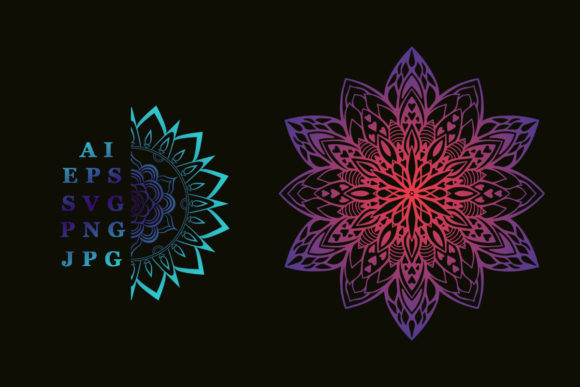
Mandala Art: A Timeless Design for Modern Creativity
Mandala art, with its intricate circular patterns and symbolic geometry, has long been a source of inspiration across cultures and traditions. Rooted in ancient spiritual practices, mandalas are more than just beautiful designs—they are tools for meditation, self-reflection, and creative expression. In today’s fast-paced world, mandala art offers a unique blend of aesthetic appeal and functional purpose. Whether you're an artist, a designer, or someone looking for a calming activity, mandala-inspired elements can be applied in countless ways to enhance your personal or professional life.
What Is Mandala Art?
A mandala is a geometric design that typically features a central point surrounded by layers of intricate patterns, often symmetrical and repetitive. Originating from Buddhist and Hindu traditions, mandalas are used as visual aids for meditation and spiritual growth. However, their beauty and complexity have transcended religious boundaries, becoming a popular motif in modern design. Today, mandala art is not only a symbol of mindfulness but also a versatile design element that can be adapted for various purposes—from decorative prints to digital illustrations.
Where and When to Use Mandala Patterns
The use of mandala patterns is highly flexible, making them suitable for a wide range of applications. Here are some common scenarios where mandala art comes into play:
- Personal Use: For relaxation, stress relief, or creative outlets, mandala patterns can be found in coloring books, henna tattoos, and even meditation apps.
- Creative Projects: Artists and designers incorporate mandala motifs into fashion, graphic design, and home decor to add depth and visual interest.
- Professional Applications: Businesses use mandala patterns in branding, marketing materials, and packaging to create a sense of balance and harmony.
- Event Invitations: Wedding invitations, greeting cards, and gift vouchers often feature mandala-inspired designs to convey elegance and cultural richness.
- Digital Content: Social media influencers and content creators use mandala backgrounds and vector illustrations to enhance the visual appeal of their posts and websites.
These patterns are especially useful when you want to evoke a sense of calm, focus, or artistic sophistication without overwhelming the viewer. Their symmetry and repetition make them ideal for both minimalist and elaborate designs.
Why Mandala Patterns Matter in Modern Design
Mandala patterns are more than just visually pleasing—they serve a deeper purpose in design. Their structured yet organic nature makes them perfect for creating a sense of order and balance in chaotic environments. This is why they are frequently used in therapeutic settings, such as mindfulness workshops and art therapy sessions. The act of engaging with mandala patterns—whether through drawing, coloring, or viewing—can help reduce anxiety and promote mental clarity.
In the business world, mandala-inspired designs are often used to reflect values like harmony, unity, and growth. For example, a company that focuses on wellness might incorporate mandala patterns into their logo or website background to reinforce their brand identity. Similarly, educators and trainers may use mandala visuals in presentations or learning materials to make complex concepts more accessible and engaging.
Practical Use Cases Across Industries
Let’s explore how mandala patterns can be applied in different industries and contexts:
For Adult Coloring Books
Adult coloring books have become a popular way to unwind and express creativity. Mandala pages are particularly favored because they offer a sense of accomplishment once completed. These intricate designs allow users to engage in a meditative process while also producing a finished artwork. They are especially beneficial for individuals seeking a mindful hobby or those who enjoy the satisfaction of completing a detailed project.
For Tattoo and Henna Designs
Mandala tattoos and henna art have gained popularity due to their meaningful symbolism and visual appeal. Many people choose these designs to represent inner peace, spiritual growth, or personal transformation. Henna mandalas are commonly used for weddings and celebrations, adding a touch of cultural significance to the occasion. Tattoos, on the other hand, offer a more permanent form of self-expression, allowing individuals to carry the beauty and meaning of mandala art with them daily.
For Business Cards and Branding
Business cards and branding materials can benefit from mandala-inspired designs by adding a unique and memorable visual element. Whether it's a subtle pattern in the background or a bold mandala shape as a logo, these designs can help a brand stand out in a competitive market. They also convey a sense of professionalism and creativity, which can be appealing to clients and customers alike.
For Fashion and Interior Design
In fashion, mandala patterns are often used in textiles, accessories, and clothing lines to create a modern yet timeless look. Interior designers also incorporate mandala motifs into wall art, rugs, and furniture to add a touch of artistry and tranquility to living spaces. These designs are especially popular in bohemian and eclectic styles, where bold patterns and textures are celebrated.
Choosing the Right Mandala Design for Your Needs
Before selecting a mandala design, consider the following factors:
- Purpose: Are you using the design for personal use, commercial purposes, or something in between? This will influence the style, complexity, and scale of the design.
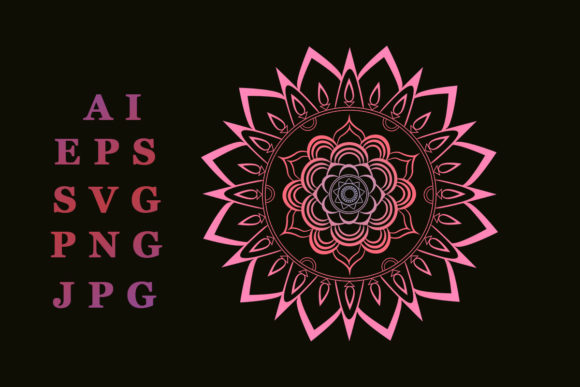
- Format: Ensure the files are in the right format for your intended use. For instance, vector formats like AI and EPS are ideal for printing, while PNG and SVG are better suited for digital use.
- Resolution: High-resolution files (300 DPI) are essential for professional printing, while JPGs are convenient for phone wallpapers and online sharing.
- License: Always check the licensing terms to ensure you can use the design as intended, whether for personal projects or commercial ventures.
- Customization: Some mandala designs are fully editable, allowing you to adjust colors, sizes, and elements to fit your specific needs.
By carefully considering these aspects, you can choose a mandala design that aligns with your goals and enhances your creative or professional work.